Local Boat Coverage
Boat Insurance in Clearwater, FL
Get clear boat coverage help today.
What You Need First
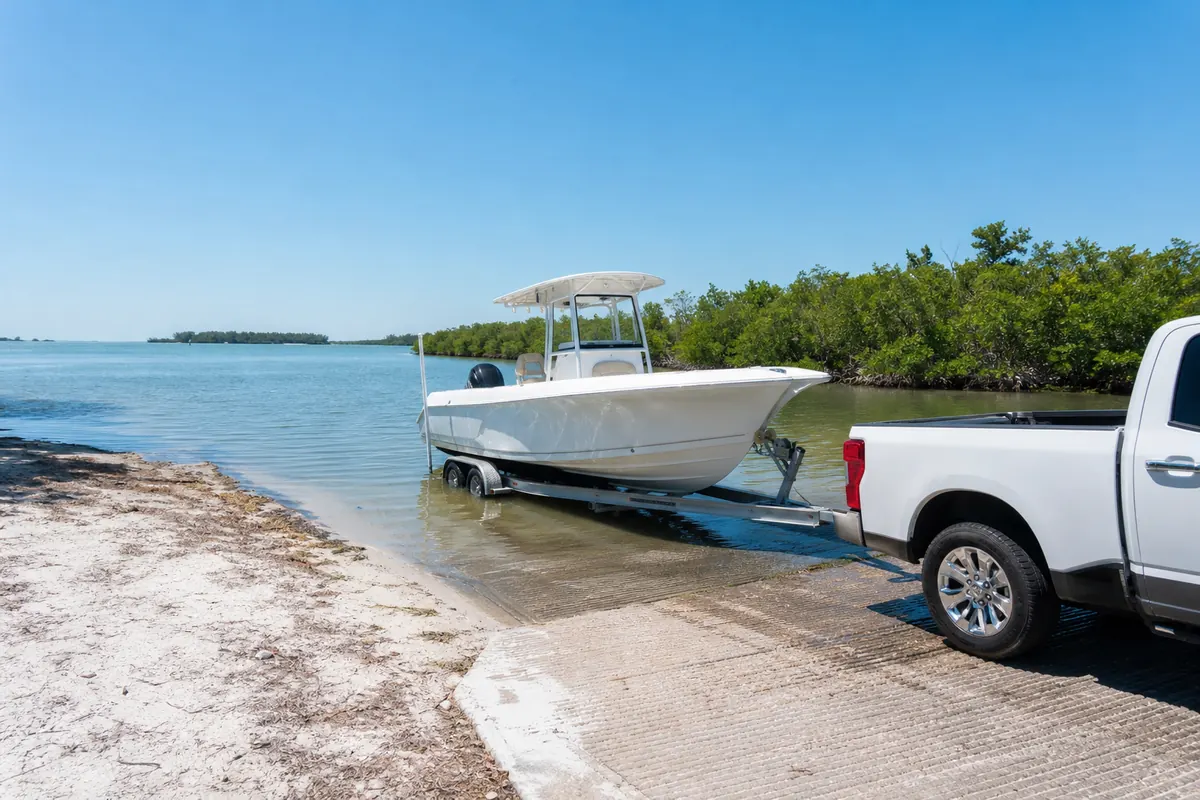
Do you need boat insurance in Clearwater, and what should it actually cover? Gulf-to-Bay Boulevard and the Memorial Causeway can turn a short tow to the water into a slow, crowded trip. Around Clearwater, many owners use center consoles, pontoons, sailboats, personal watercraft, and trailers in places where weather, storage, and towing all matter. We help you sort through the parts of a boat policy that often matter most first, including liability, damage to your boat, trailer concerns, and what marinas or lenders may ask for before you launch or store the boat.
Some boats in Florida do not have a state insurance requirement, but that does not mean every owner can ignore coverage. Lenders and marinas often set their own rules. A policy may also help with losses that come from collision, theft, fire, storms, or damage while the boat is out of the water, depending on the options you choose. We provide information and guidance for Clearwater boat owners, then a licensed agent follows up to review choices and answer the practical questions that come up before you buy.
Boat Insurance Across Pinellas County and Nearby
- Clearwater, FL
- Largo, FL
- Dunedin, FL
- Safety Harbor, FL
- Palm Harbor, FL
- Oldsmar, FL
- Tarpon Springs, FL
- Pinellas Park, FL
- Seminole, FL
- Belleair, FL
- Belleair Bluffs, FL
- Clearwater Beach, FL
- Indian Rocks Beach, FL
- Belleair Beach, FL
- East Lake, FL
- Westchase, FL
- Town 'n' Country, FL
- Kenneth City, FL
- Holiday, FL
- Trinity, FL
- Feather Sound, FL
Boat Coverage Basics
Boat insurance can be simple at the start, then more specific once you look at how and where you use the boat. In Clearwater, the details often turn on trailering, storage, weather plans, and whether the boat is financed, docked, or launched often.
Liability coverage
Liability coverage is often the first place to start because it may help if you cause damage or injuries while operating the boat. The amount you choose can matter if you keep the boat at a marina, pass through crowded areas, or carry guests often. Some marinas may ask for proof of liability before they let you keep or launch a boat there. If you finance the boat, your lender may also have minimum requirements.
Hull coverage
Hull coverage generally refers to protection for the boat itself. That can include damage from a collision, theft, fire, and certain weather-related losses, depending on the policy language. One key choice is agreed value versus actual cash value. Agreed value usually pays based on a stated value if there is a covered total loss. Actual cash value usually factors in depreciation. Which one fits best often depends on the age, condition, and financing of the boat.
Trailer coverage
Many Clearwater owners focus on the boat and forget the trailer until there is a problem on Belcher Road, McMullen Booth Road, or a crowded causeway. Trailer coverage may be separate, limited, or bundled with the boat policy, depending on the form. It is worth checking how physical damage, theft, and liability are handled when the boat is on the trailer, in storage, or parked near a launch site. Trailer value and usage can change what makes sense.
Uninsured boater and medical options
If another boater causes a loss and does not carry enough insurance, uninsured or underinsured boater coverage may be worth a close look where available. Medical payments may also be an option on some policies. These choices can matter if you spend time in busy recreational areas near Clearwater Beach and Pier 60, where traffic on the water may rise during weekends and events. Coverage terms vary, so it helps to review the fine points before you rely on them.
Towing and on-water assistance
A towing benefit can be useful if the boat will be used regularly rather than kept tied up most of the year. The details matter. Some policies may include limited towing help, while others may offer broader service as an option. You will want to ask where assistance applies, what types of breakdowns are included, and whether trailer towing on land is handled separately. A small add-on can make a big difference when the boat will not get home under its own power.
Named-storm and haul-out planning
In this coastal area, storm planning should be part of the insurance conversation from the start. Some policies may address haul-out reimbursement, storm preparation steps, or special deductibles tied to named storms. Others may set conditions about where the boat must be stored when a storm is approaching. If your boat stays in the water, on a lift, or on a trailer, those details can matter. The best time to review them is before weather is in the forecast.
Navigational limits and lay-up periods
Boat policies often define where the boat may be used and when it is expected to be active. Navigational limits can affect whether coverage applies beyond certain waters or distances. Lay-up periods can matter if the policy assumes the boat will be out of use during part of the year. For Clearwater owners who move between the Gulf of Mexico and Old Tampa Bay, or who trailer to different launch points, these limits are worth checking so the policy matches real use.
Why Choose Us for Boat Insurance?
Local Use Matters
Boat insurance questions in Clearwater are often about real routines, not abstract policy terms. We talk through where the boat is kept, how often it is trailered, whether it crosses causeways, and what marina or lender paperwork may be needed. That gives the follow-up agent a better starting point.
Clear Plain Guidance
We explain the common boat coverage choices in normal language. You can compare liability, hull options, trailer concerns, towing, and storm planning without feeling rushed. If something depends on policy language, we say so. If a detail may change the outcome, we point that out before you commit.
Built for Questions
Many owners come in unsure whether they need coverage at all, or whether their current policy leaves gaps. We are set up for that. We provide information and guidance first, then a licensed agent follows up to review the choices that fit your boat, storage setup, and use pattern.
How to Review Coverage
Start with Use
Think about how the boat is really used. Weekend cruising, fishing, towing it often, dry storage, marina storage, and seasonal use can all change what should be reviewed first.
List Boat Details
Gather the basics on the boat, motor, trailer, year, value, storage setup, and any lender or marina paperwork. That makes the follow-up review more accurate and saves time.
Check Risk Points
Look at the areas where owners often have gaps. Liability limits, hull value method, trailer treatment, towing, electronics, and named-storm planning are common places to review closely.
Compare Policy Terms
This is where wording matters. We help you compare what a policy may cover, what it may exclude, and whether navigational limits or lay-up periods match the way you use the boat.
Ask for Follow-Up
Once we have the basics, a licensed agent follows up to go through options and answer questions. You get practical guidance tied to your boat and how you keep it in Clearwater.
Check Florida Rules
For official Florida rules, start with the Florida Department of Highway Safety and Motor Vehicles for registration and vehicle-related requirements. For consumer insurance questions, the Florida Department of Financial Services consumer helpline is also a useful source. Boat insurance rules can differ from auto insurance rules, and marina or lender requirements can add another layer. We can help you understand common policy options, but official state sources are the place to confirm legal requirements and consumer guidance.
What Affects Cost
Boat insurance cost in Clearwater can move up or down based on the boat itself, how it is used, and how you want the policy built. A financed boat may need broader protection than an older paid-off boat used only now and then. Storage also matters. A boat kept at a marina, on a lift, or on a trailer may be viewed differently. The same goes for whether you want agreed value, trailer coverage, towing, or named-storm features included.
Some of the same rating ideas people know from auto insurance can still affect the overall picture when a policy is packaged or reviewed. Driving record, the vehicle used to tow the boat, where that vehicle is parked, deductible choices, liability limits, annual mileage, and household drivers can all matter in related coverage discussions. On the boat side, type, size, horsepower, age, value, claims history, storage method, and navigational area often play a role.
Boat Insurance Questions We Hear
Is boat insurance required in Florida?
Florida generally does not require boat insurance for simple ownership or registration in the way auto insurance is handled. Even so, a lender may require coverage if the boat is financed, and a marina often may ask for proof of liability before allowing storage or docking. That is why many Clearwater owners still carry a policy.
What is the difference between agreed value and actual cash value?
Agreed value usually means the policy sets a value for the boat ahead of time, and that amount may be used if there is a covered total loss. Actual cash value usually takes depreciation into account at the time of loss. For newer or financed boats, agreed value may be more attractive. For older boats, actual cash value may be considered.
Does my trailer need to be listed on the boat policy?
Often, yes, or at least it should be reviewed directly. Some policies may include limited trailer protection, while others treat it as a separate item with its own value and coverage terms. If you tow often on US 19, Gulf-to-Bay Boulevard, or over the Courtney Campbell Causeway or Bayside Bridge, it is smart to confirm exactly how the trailer is handled.
Will boat insurance cover storm damage in Clearwater?
It may, depending on the policy and the cause of loss. Coverage for storms, wind, haul-out expenses, and named-storm deductibles can vary. The important part is to read how the policy handles preparation requirements, storage location, and whether the boat is in the water, on a lift, or on a trailer when bad weather is approaching.
Can I get coverage for personal watercraft too?
In many cases, yes. Personal watercraft often can be insured, but the policy structure, liability options, and equipment limits may differ from a larger boat policy. Usage matters a lot. If it is stored on a trailer, used near crowded recreational areas, or financed, those details may affect what coverage choices make sense and what a lender may require.
Contact Us Today for a Free Estimate
Ready to review boat insurance for your Clearwater vehicle or property? Tell us what you have and we will follow up.
Free, no obligation.