Clear Condo Guidance
Condo Insurance in Clearwater, FL
Let us help you sort out what your unit may need.
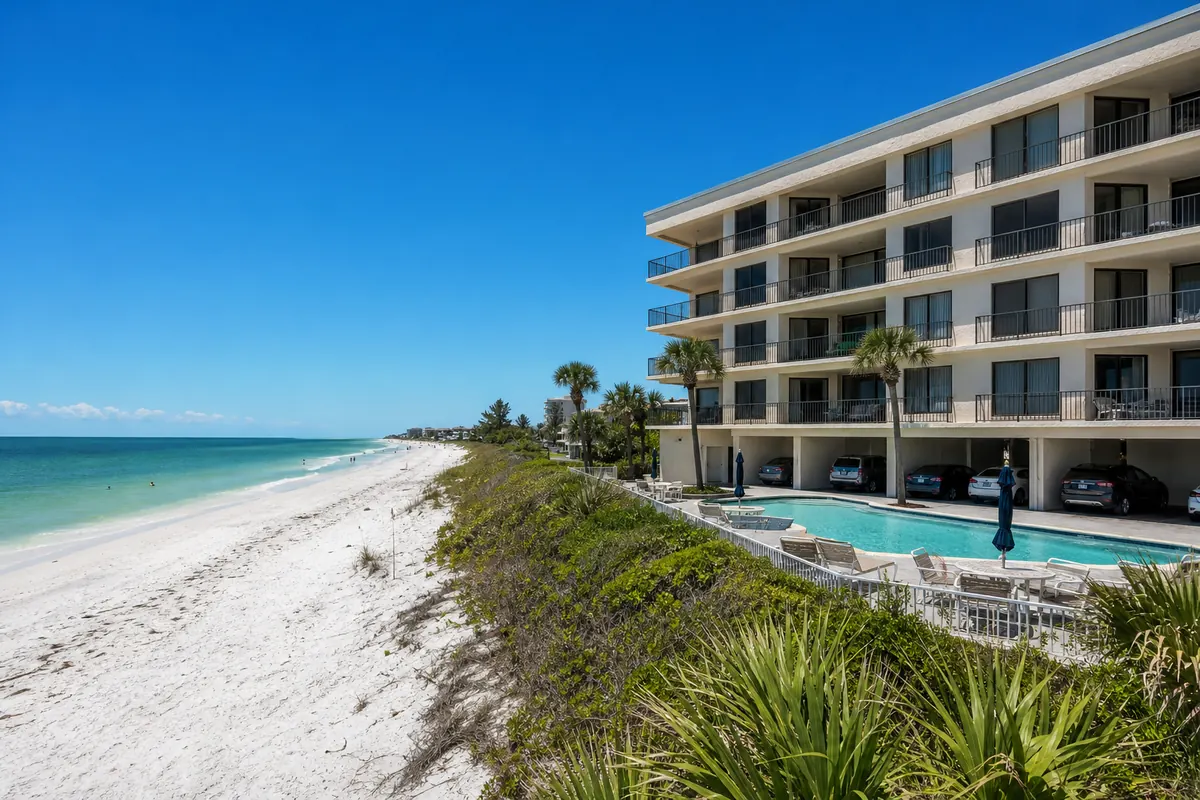
What It Usually Covers
Think the condo association policy covers your whole unit? Usually, it does not. That is the part many owners in Clearwater find out too late. A condo policy, often called HO-6, is built for what belongs to you inside the unit and for certain gaps the master policy may leave open. If you own a place near the Memorial Causeway, off Gulf-to-Bay Blvd, or closer to US 19, your building setup, storm exposure, and occupancy pattern can all affect what coverage makes sense.
Most condo questions come down to one issue. Where does the association policy stop and where does your responsibility start. We help you sort through that line in plain language. That includes walls-in coverage, upgrades to kitchens and baths, personal property, liability, temporary living costs after a covered loss, and flood as a separate policy. If your unit is seasonal, rented out part of the year, or in a high-rise with different rules from a garden style complex, those details matter.
Condo Insurance Across Pinellas County and Nearby
- Clearwater, FL
- Largo, FL
- Dunedin, FL
- Safety Harbor, FL
- Palm Harbor, FL
- Oldsmar, FL
- Tarpon Springs, FL
- Pinellas Park, FL
- Seminole, FL
- Belleair, FL
- Belleair Bluffs, FL
- Clearwater Beach, FL
- Indian Rocks Beach, FL
- Belleair Beach, FL
- East Lake, FL
- Westchase, FL
- Town 'n' Country, FL
- Kenneth City, FL
- Holiday, FL
- Trinity, FL
- Feather Sound, FL

What to Review First
Before you compare policies, start with your association documents. The master policy and bylaws often say more than a listing sheet or closing packet. Some associations insure more of the original unit. Others leave much more to the owner. In Clearwater, that difference can shape how much HO-6 coverage you may want and which add-ons deserve a closer look.
Master Policy vs Your Unit
The first question is what the association insures. Many master policies cover shared structures and common areas, but your responsibility may begin at the interior surfaces or even sooner, depending on the documents. Owners often hear the phrase walls-in, but that can mean different things in practice. Flooring, cabinets, fixtures, built-ins, and interior paint may fall to you. We help you compare the association language with the protection your own unit may need.
Interior Improvements
A standard unit becomes less standard over time. If you replaced builder grade counters, changed flooring, updated a shower, or added custom cabinets, those improvements may need to be reflected in your condo policy. This matters in older buildings near Clearwater Beach as much as in newer properties closer to McMullen Booth Rd or Belcher Rd. After a covered loss, the cost to restore your unit may depend on the finishes you actually own, not what came with the unit long ago.
Personal Property
Your furniture, clothing, electronics, kitchen items, and other belongings are separate from the building itself. The association policy generally does not insure those items for you. If a covered event damages what is inside your condo, your HO-6 policy may help, subject to the policy terms and deductible. Seasonal owners should think carefully here. A furnished unit that sits vacant part of the year may need a different review than a primary residence with daily use.
Loss Assessment
Loss assessment coverage can be important in condo ownership because the association may assess unit owners after certain covered losses or liability situations. Whether that applies, and how much may be useful, depends on your building, the master policy, and the association rules. In a large Clearwater complex with shared amenities, that exposure can look different from a smaller garden style property. This part of the policy is easy to overlook until a special assessment notice arrives.
Liability and Loss of Use
Condo insurance may also include personal liability coverage if someone is injured in your unit or if you are responsible for damage to others, subject to the policy terms. It may also include loss of use coverage when a covered loss makes the unit unfit to live in for a time. That can matter if repairs are delayed after a storm season event. Owners who live in the unit full time, part time, or rent it out should review this section with care.
Hurricane Deductibles and Water
Many Florida condo owners focus on covered causes of loss but miss the deductible structure. Hurricane deductibles may work differently from other deductibles, and the out-of-pocket amount after a major storm can be much higher than expected. Water is another area where confusion starts. Wind-driven rain, plumbing issues, storm surge, and flooding are not all treated the same way. A page that looks fine at first glance may leave real gaps once you match it against how water losses happen here.
Flood, Seasonal Use, and Rentals
Flood is generally handled under a separate policy, so do not assume it is built into your condo policy. That matters in Clearwater, where weather and water exposure are part of real ownership decisions between the Gulf of Mexico and Old Tampa Bay. If your unit is occupied only part of the year, rented to others, or left empty for stretches, let that be part of the review. High-rise and garden style buildings can also have different insurance questions based on layout and association rules.
Why Choose Us for Condo Insurance?
Plain Local Explanations
You do not need a sales pitch when you are trying to read condo documents. We explain the moving parts in simple terms. That includes the association master policy, your unit coverage, flood questions, and seasonal use issues that come up often in Clearwater and north Pinellas County.
Built Around Your Unit
Every condo has its own details. A high-rise near the beach, a garden style complex inland, a unit used on weekends, or a place rented out part of the year can call for a different review. We keep the conversation centered on how your specific unit is used.
Licensed Agent Follow Up
We provide information and guidance first, then a licensed agent follows up to discuss options in more detail. That helps you ask better questions before you choose coverage. It is a straightforward process for owners who want help without being rushed through the fine print.
How to Review Coverage
Gather Your Documents
Start with the master policy, declaration, bylaws, and any insurance requirements from the association. If you have a current HO-6 policy, keep that handy too. The goal is to see where the association coverage ends and your unit owner responsibility begins.
List Unit Features
Make a simple list of interior upgrades, finishes, and major belongings. Include flooring, cabinets, countertops, bathroom work, and built-ins. This helps match the policy to what is actually inside the unit instead of relying on a generic estimate.
Explain How You Use It
Tell us whether the condo is your main home, a seasonal place, or rented out at times. Also note if it sits vacant for stretches. Occupancy patterns can change which policy features deserve closer attention and how a carrier may view the risk.
Review Water and Wind
Ask direct questions about hurricane deductibles, water damage wording, and flood as a separate policy. In Clearwater, weather exposure is part of the conversation. It helps to know in advance which losses may be covered differently and what deductibles could apply.
Compare Matching Quotes
When you review options, compare the same limits, deductibles, and endorsements side by side. A lower premium does not mean much if the coverage is trimmed back in the places you care about. We help you slow that down and read the details clearly.
Where to Check Rules
For official Florida rules, start with the Florida Department of Highway Safety and Motor Vehicles for state insurance requirements that apply to vehicles, and use the Florida Department of Financial Services consumer helpline for general insurance questions and complaint resources. Condo coverage itself depends on your policy and your association documents, so those state sources are best used alongside the master policy, declaration, and any unit owner insurance requirements your association provides.

What Affects Cost
A condo policy price usually depends on the unit itself and how it is used. Insurers often look at the amount of property you want covered, the level of interior improvements, whether the unit is owner occupied or seasonal, whether it is rented out, the building type, prior claims history, deductibles, liability limits, and whether you add options such as more loss assessment coverage. A high-rise and a garden style unit may rate differently because the building setup and loss exposure are not the same.
Some rating factors people ask about belong more to auto insurance than condo insurance. Driving record, the vehicle, where it is parked, mileage, and household drivers generally affect auto premiums, not an HO-6 condo policy. For condo coverage, focus more on unit features, occupancy, location, claims history, deductibles, limits, and any special exposures shown in the association documents. If you are comparing quotes, make sure the coverage amounts and deductibles match before you judge the price.
Condo Insurance Questions We Hear
Does the condo association insurance cover my personal belongings?
Usually, no. The association master policy generally covers the building and common elements as defined in the governing documents. Your clothing, furniture, electronics, and other personal items are typically your responsibility. A condo policy may help cover those belongings after certain covered losses, subject to the policy terms, exclusions, and deductible.
What does walls-in mean for a Clearwater condo owner?
Walls-in usually refers to the part of the unit the owner is responsible for, but the exact line depends on the association documents. In one building that may include flooring, cabinets, fixtures, and paint. In another, the master policy may cover more. That is why we suggest reviewing the declaration and master policy before choosing limits.
Is flood included in condo insurance?
Flood is generally separate from an HO-6 condo policy. Owners sometimes assume storm-related water is all treated the same, but flood coverage is usually written on its own policy. If your condo is near the Gulf side, closer to Old Tampa Bay, or simply in an area where water exposure is a concern, this deserves a close look.
Do I need different coverage if I only use the unit part of the year?
You may. Seasonal occupancy can affect how a policy is written and what conditions apply. A unit that sits empty for long stretches may have different concerns than a full-time residence. If you rent it out when you are away, that also changes the discussion. It is best to describe the actual use of the unit upfront.
Can my condo policy help if the association charges a special assessment after a loss?
It may, if your policy includes loss assessment coverage and the situation fits the policy terms. This coverage is often overlooked, yet it can matter when an association passes along part of a covered loss or liability cost to unit owners. The amount that makes sense depends on your building, the master policy, and the association rules.
Contact Us Today for a Free Estimate
Ready to review condo insurance for your Clearwater vehicle or property? Tell us what you have and we will follow up.
Free, no obligation.