Clearwater Car Coverage
Car Insurance in Clearwater, FL
See your options with local guidance.
What You Need to Know
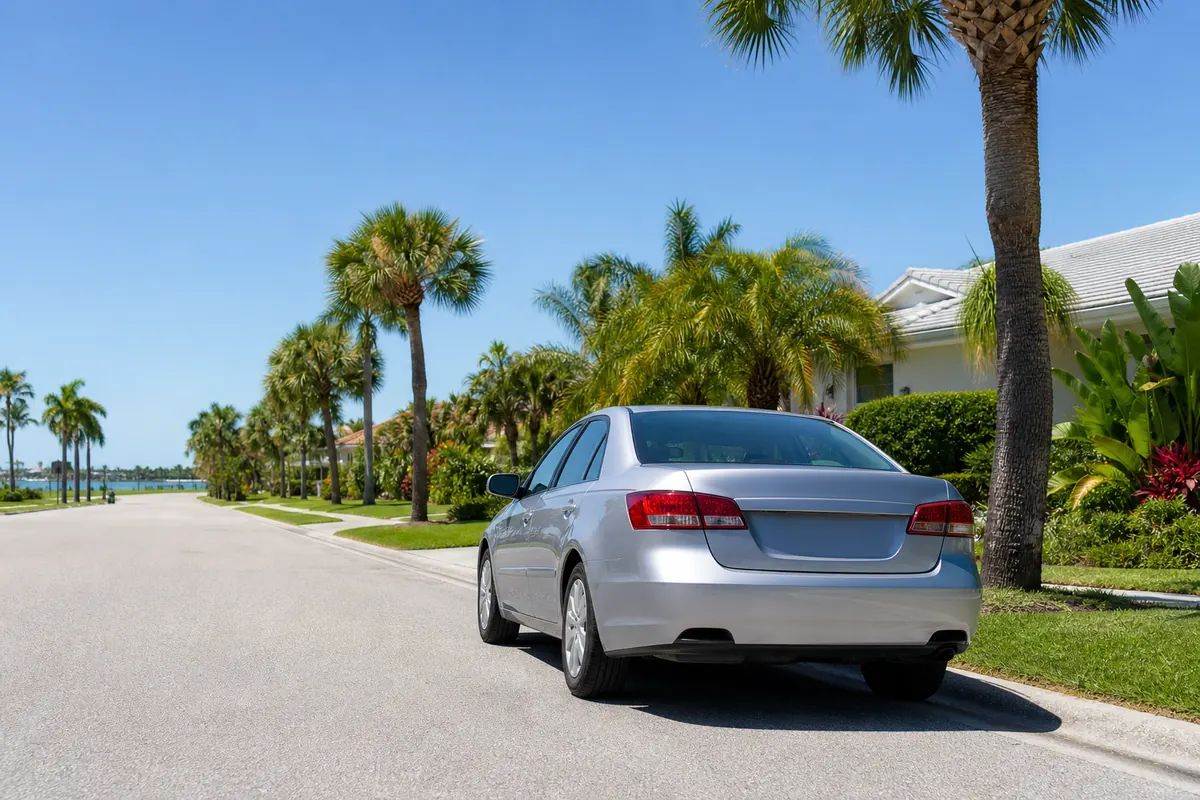
Wondering what car insurance you actually need in Clearwater? We hear that question all the time. Florida uses a no-fault system, and the coverage you choose can affect how damage, injuries, and out-of-pocket costs are handled after a wreck. Around Clearwater, that matters. A short trip on Belcher Rd can feel very different from rush hour on US 19, beach traffic on the Memorial Causeway, or a drive across the Courtney Campbell Causeway. We help you sort through the choices in plain language so you can compare options without guessing what each part of a policy is for.
Many drivers start by asking for the lowest legal option. Others want broader protection for a newer car, a financed vehicle, or a car they rely on every day. Both approaches can make sense, but they are built very differently. Our job is to explain what each coverage does, where the gaps may be, and what questions to ask before you decide. A licensed agent follows up after we gather your information, so you get guidance based on your vehicle, your driving habits, and where you park in Clearwater.
Car Insurance Across Pinellas County and Nearby
- Clearwater, FL
- Largo, FL
- Dunedin, FL
- Safety Harbor, FL
- Palm Harbor, FL
- Oldsmar, FL
- Tarpon Springs, FL
- Pinellas Park, FL
- Seminole, FL
- Belleair, FL
- Belleair Bluffs, FL
- Clearwater Beach, FL
- Indian Rocks Beach, FL
- Belleair Beach, FL
- East Lake, FL
- Westchase, FL
- Town 'n' Country, FL
- Kenneth City, FL
- Holiday, FL
- Trinity, FL
- Feather Sound, FL
What Each Coverage Does
Car insurance terms can feel repetitive until you see what each one is meant to handle. Here is a simple breakdown of the main pieces Florida drivers usually review first, followed by the options that may add more protection for your own car and your household.
Personal Injury Protection
Personal injury protection, often called PIP, is part of the basic Florida requirement for a standard private passenger vehicle. It generally helps with your own injury-related costs after a crash, regardless of who caused it, subject to policy terms and limits. In Clearwater, many drivers carry it and move on without really reviewing it. We make sure you understand where it starts, where it may stop, and how it fits with Florida's no-fault rules.
Property Damage Liability
Property damage liability, or PDL, is also part of the minimum needed to register most private passenger cars in Florida. It generally applies when you cause damage to someone else's vehicle or other property. That can matter in crowded parking areas near Clearwater Beach, around Pier 60 traffic, or during busy days near BayCare Ballpark. If you only carry the minimum, it helps to understand what this portion does and what it does not protect.
Bodily Injury Liability
Bodily injury liability is different from PIP. It generally helps with injuries you cause to other people if you are at fault. Florida does not require it for most drivers at the time of registration, though it may be required after certain crashes or violations that involve an SR-22 or FR-44 filing. Even when it is optional, many drivers choose to review it carefully because medical costs after a serious wreck can move well beyond the basic Florida minimums.
Collision Coverage
Collision coverage generally helps pay for damage to your own car after a crash, no matter which driver caused it, subject to your deductible and policy terms. This is often the coverage people ask about when they worry about traffic on Gulf-to-Bay Blvd, lane changes on US 19, or stop-and-go driving on McMullen Booth Rd. If your car is financed or leased, your lender will often want this coverage included. It is one of the main ways to protect your own vehicle.
Comprehensive Coverage
Comprehensive coverage generally applies to losses that are not caused by a traffic collision. That may include storms, flooding, falling trees, theft, or fire, depending on the policy. In Clearwater and across north Pinellas County, this coverage often comes up when drivers think about heavy rain, coastal weather, or where a car sits overnight. If your concern is damage that happens while the car is parked, this is usually the section to review first rather than collision.
Uninsured and Underinsured Motorist Coverage
Uninsured and underinsured motorist coverage is optional in Florida. It is meant to help in situations where another driver causes injuries and does not have enough insurance, or may have none that applies to your injuries. This option can be easy to skip because it is not part of the basic registration requirement. Still, many Clearwater drivers ask about it once they understand that basic Florida requirements do not always line up with the costs that can follow a major crash.
Deductibles and Optional Add-Ons
Your deductible is the amount you would generally pay yourself before certain coverages begin to pay on a covered loss. A higher deductible may lower the premium, while a lower one may raise it. Beyond that, some policies may offer add-ons such as rental reimbursement or roadside help, depending on the insurer. We keep this part practical. If an option affects your day-to-day use of the car, your budget, or how long you could be without a vehicle, it is worth a closer look.
Why Choose Us for Car Insurance?
We Explain Clearly
You should not have to decode insurance language on your own. We break down each coverage in plain terms and explain how the parts work together. That makes it easier to compare a basic policy with broader protection for your own car.
Built for Clearwater Driving
Local roads shape local insurance questions. We keep Clearwater routes in mind, from US 19 and SR 60 to the Memorial Causeway, the Bayside Bridge, and beach traffic near Pier 60. That helps us focus on the situations drivers here actually face.
Licensed Agent Follow-Up
After we collect the details, a licensed agent follows up to discuss options. That step matters because the right mix of coverage often depends on your car, your driving record, household drivers, and whether the vehicle is owned outright or financed.
How to Review Options
Start with Requirements
First, confirm the Florida basics for your vehicle type and registration. For most private passenger cars, that means reviewing the required PIP and PDL so you know the legal starting point before adding anything else.
List Your Priorities
Think about what matters most. Some drivers want the lowest payment that keeps the car legal. Others want stronger protection for a daily driver, a financed car, or a vehicle that would be hard to replace quickly.
Check Your Car
Look at the vehicle itself. Its age, value, loan status, and where it is parked all affect whether collision or comprehensive may make sense. A newer car usually gets a different review than an older paid-off one.
Choose Risk Levels
This is where deductibles, limits, and optional coverages come in. A lower deductible can reduce out-of-pocket costs after a claim, while higher limits or added options may give broader protection but increase the premium.
Review with an Agent
After that, go over the details with a licensed agent. That conversation helps catch gaps, clear up terms like uninsured motorist or bodily injury liability, and compare a minimum plan with broader protection in a practical way.
Check Florida Rules
For current Florida registration and insurance rules, the best official source is the Florida Department of Highway Safety and Motor Vehicles. Their materials explain what is required to register a standard private passenger vehicle and when extra filings may apply. If you want consumer help on an insurance question, the Florida Department of Financial Services consumer helpline is also a useful source. We can explain the basics, but official state sources should be your final check for current rules.
What Car Insurance Costs
What does car insurance cost in Clearwater? Rates vary a lot, but published 2026 studies place Florida well above the national average. Those studies show a typical yearly range of about $2,700 to $4,100 for broader protection that includes your own car, and about $1,000 to $1,700 for minimum coverage. The published figures differ by source, but they point in the same direction. Florida prices can be high, and the coverage mix you choose has a big effect on what you pay.
| Source | Full coverage (per year) | Minimum coverage (per year) |
|---|---|---|
| Experian, 2026 | $2,730 | $1,696 |
| Bankrate, Feb 2026 | $3,884 | $1,056 |
| NerdWallet, Apr 2026 | $4,064 | $1,014 |
Typical range: about $2,700 to $4,100 a year for full coverage and $1,000 to $1,700 a year for minimum coverage. These are published statewide averages, not quotes.
Your premium can move up or down based on several details. Insurers often look at your driving record, the vehicle itself, where it is parked, how many miles you drive, and who else in the household may use the car. Deductibles and coverage limits matter too. A policy with lower deductibles and higher limits will usually cost more than a bare minimum option. If you keep a car near beach traffic, commute on major Clearwater routes, or insure a newer vehicle, those details may affect pricing as well.
Car Insurance Questions We Hear
What is the minimum car insurance needed in Florida?
For a standard private passenger vehicle, Florida requires personal injury protection and property damage liability to register the car. The required amounts are $10,000 in PIP and $10,000 in PDL. That is the starting point for many drivers, but it does not mean every kind of loss will be covered. If you want protection for your own car after a crash, you would usually review collision and comprehensive separately.
Do I need bodily injury liability in Clearwater?
Many Clearwater drivers are surprised to learn that bodily injury liability is not required for most drivers at registration. Even so, it may become required after certain crashes or violations that involve an SR-22 or FR-44 filing. Beyond the legal side, it is worth reviewing because it generally addresses injuries you cause to others, which is different from what PIP is designed to do.
What do people mean when they ask for full coverage?
Most people use that phrase as a shortcut, not as the name of one policy form. They are usually talking about a package that includes the state-required liability pieces plus protection for your own car through collision and comprehensive. Because people use the term loosely, it helps to slow down and confirm what is actually included, what deductible applies, and whether optional coverages were added or left out.
Is uninsured motorist coverage worth considering in Florida?
It can be worth a serious look, especially if you want added protection for injuries caused by another driver who may not have enough insurance. This coverage is optional in Florida, so some drivers pass on it to keep the premium lower. Others choose it because minimum required coverage does not always leave much room after a major crash. The best fit depends on your budget and comfort with risk.
Does where I drive in Clearwater affect my insurance choices?
Often, yes. Your daily routes can shape how you think about risk even if they do not change every policy the same way. A car used on US 19, Gulf-to-Bay Blvd, or the Courtney Campbell Causeway may face different traffic patterns than a car mostly used for short local errands. Beach parking, storm exposure, and whether the vehicle stays outside overnight can also affect which coverages deserve more attention.
Contact Us Today for a Free Estimate
Ready to review car insurance for your Clearwater vehicle or property? Tell us what you have and we will follow up.
Free, no obligation.